This analysis organizes the evidence behind TSMC's Global Strategy in the AI Infrastructure Race, then explains the practical implications, trade-offs and current limits.
Read the evidence below as a decision trail: what changed, why it matters, which trade-offs shaped the result, and where the conclusion still depends on context.
The AI Manhattan Project proposed by the United States, as a high-intensity national strategy, aims to consolidate the United States inartificial intelligence(AI) and comprehensively respond to China’s rapidly emerging technological challenges. For TSMC Semiconductor, the world's leading wafer foundry, this plan not only poses potential competitive pressure, but also provides an opportunity to participate in global technology restructuring and expand its influence. In response to this global technological transformation, TSMC Semiconductor needs to adopt a well-thought-out strategy to ensure that its technological advantages and market position are not shaken
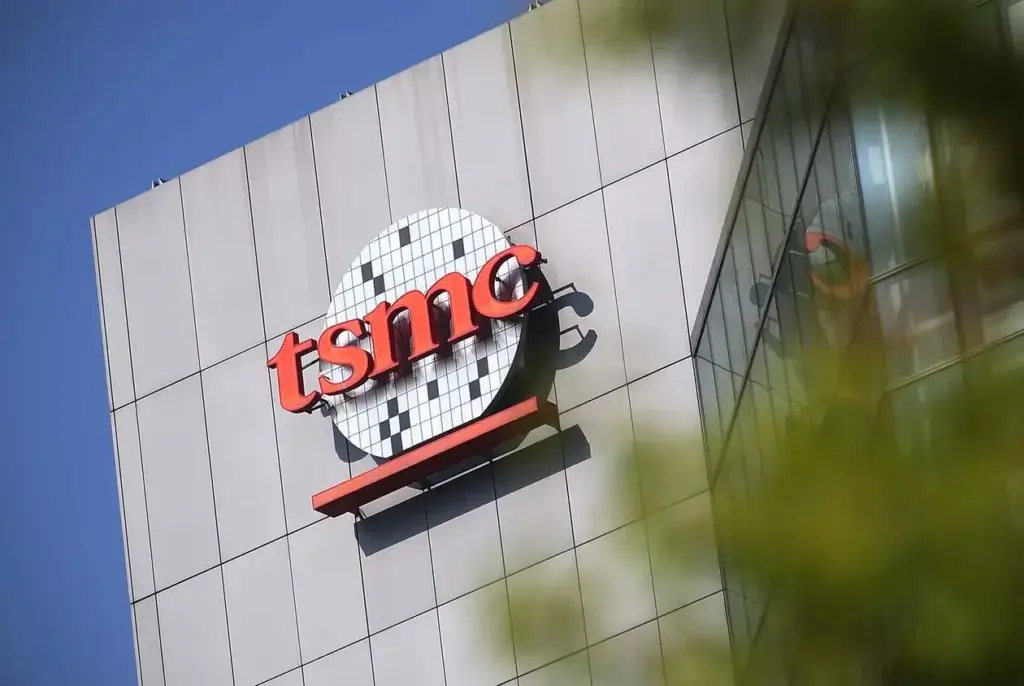
AI Manhattan Project vs.TSMC Semiconductormain challenges and opportunities
1. Increasing geopolitical pressure
- The AI Manhattan Project focuses on improving supply chain security and technological sovereignty, which may prompt the United States to strengthen its requirements for the expansion of TSMC's overseas production facilities. For example, the United States requires TSMC to build a cutting-edge wafer fab in Arizona, which is directly related to the planned need to ensure the localization of advanced technology production. The goal is to reduce geopolitical risks while improving the stability of the local supply chain.
- Taiwan is a global geopolitical hotspot, and TSMC's key position not only provides global influence, but also exposes it to more potential risks. For example, the threat of possible military conflicts to supply chain stability directly touches the supply chain security goals emphasized in the AI Manhattan Project, further highlighting the importance of TSMC's overseas expansion.
2. Escalation of competition in semiconductor production
- The U. S. government promotes the development of local wafer manufacturing through this plan, and the newly established manufacturing plants may divert some of the global demand for TSMC.
- High subsidies for local manufacturing will provide more market space for domestic competitors in the United States and further reduce the competitive advantages of overseas manufacturers.
3. The potential for deepening cooperation between the United States and Taiwan
- The plan emphasizes the criticality of cutting-edge semiconductor technology for the development of AI and provides an opportunity for TSMC to establish closer cooperation with the U. S. government and industry.
- TSMC’s technical expertise and production capacity advantages will be an important pillar in achieving the goals of the AI Manhattan Project.
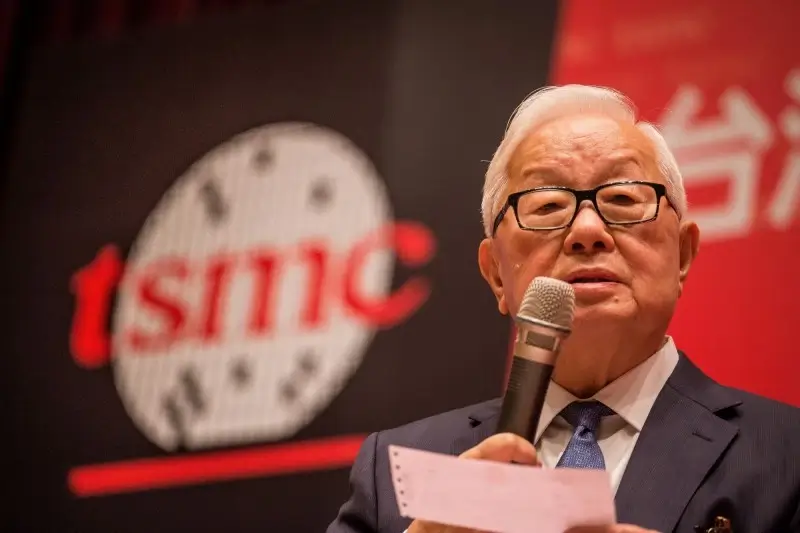
TSMC Semiconductor’s contingency strategy and strategic layout
1. Expand global production capacity distribution
- Diversify geographically to reduce risk:
- Accelerate the construction of production bases in the United States (such as Arizona), Japan and Europe to achieve balance and stability in the regional supply chain.
- By increasing overseas production capacity, we can mitigate the risk of potential disruptions caused by geopolitics and deepen our connections with local markets and governments.
- Focus on cutting-edge technology processes:
- Optimize the process technology capabilities of overseas wafer fabs, especially in the field of 5 nanometer and below process technology, and maintain technology leadership.
2. Strengthen cooperation with the United States
- Promote joint research and development projects:
- Cooperate with national laboratories and top universities in the United States to accelerate innovation in chip technologies related to AI and high-performance computing (HPC).
- Explore the establishment of a technology alliance or R&D platform dedicated to the AI Manhattan Project.
- Strive for policy and financial support:
- Actively participate in semiconductor projects led by the U. S. government to ensure fair subsidy distribution and preferential policies.
- Reinforce TSMC’s position as an irreplaceable partner in the development of U. S. AI technology.
3. Improve supply chain resilience and flexibility
- Expand raw material supply sources:
- Develop more alternative suppliers of core equipment such as silicon wafers and photolithography machines to reduce reliance on a single supply chain.
- Establish a localized supply network near overseas production facilities to improve the response speed and stability of the supply chain.
- Develop an emergency management plan:
- In response to sudden geopolitical risks, build a global diversified supply chain structure and reserve strategy.
4. Protect the competitive advantage of core technologies
- Deepen intellectual property (IP) protection:
- Strengthen data and technology protection measures to reduce the risk of technology outflow that may be caused by overseas factories.
- Concentrate the technology research and development and production of the most cutting-edge processes in Taiwan to ensure the concentration of core competitiveness.
- Strengthen innovation leadership:
- We expand our R&D investment every year to ensure that we are always ahead of global competitors in terms of efficiency and scalability of process technology.
5. Strengthen the role of global industrial alliances
- Establish strategic partnership:
- Promote transparent communication:
- Demonstrate TSMC’s long-term value to global investors, customers and government departments, and strengthen trust and willingness to cooperate.
Opportunities and long-term value in challenges
The AI Manhattan Project is not only an external competitive pressure for TSMC Semiconductor, but also an opportunity to review its global strategic layout and technological innovation capabilities.
- Meeting the surging needs of the AI market:
- With the rapid expansion of AI and HPC technology applications, TSMC's deep accumulation in advanced processes will open up more market space for it.
- Expand international influence:
- As one of the key partners in realizing the AI Manhattan Project, TSMC will further consolidate its voice in the global semiconductor industry.
Conclusion
The AI Manhattan Project reflects the accelerating evolution of the global technology competition landscape. As a core participant in global technology competition, TSMC Semiconductor must formulate strategies with a long-term perspective, covering geographical layout optimization, technological innovation enhancement and supply chain flexibility improvement. By proactively responding to challenges and seizing opportunities, TSMC Semiconductor can continue to lead the global semiconductor market and solidify its irreplaceable cornerstone role in the AI-driven future landscape.
Articles you may be interested in
US Chip Act - Profound Impact on Taiwan and China's Semiconductor Industry
What to take away
The article's value is in the evidence and trade-offs behind TSMC's Global Strategy in the AI Infrastructure Race, not in treating the conclusion as universal.