This analysis organizes the evidence behind mapping the AI Server Supply Chain, then explains the practical implications, trade-offs and current limits.
Read the evidence below as a decision trail: what changed, why it matters, which trade-offs shaped the result, and where the conclusion still depends on context.
Introduction: Overview of the AI Server Industry Chain
With the rapid development of artificial intelligence technology, the AI server industry chain is undergoing unprecedented transformation and expansion. This article will thoroughly analyze every link in the AI server industry chain, from upstream component design to downstream application deployment, comprehensively exploring the roles, challenges, and future trends at each stage. By gaining a deeper understanding of the AI server industry chain, we can better grasp this key sector that is reshaping the global technology landscape.

1. Upstream: component design and supplier roles
The upstream focus is on designing and manufacturing high-performance hardware components required for servers. This stage requires continuous innovation to meet the growing computing demands of AI models.
1. Main components
- GPU(Graphics Processor): NVIDIA As a market leader, GPUs like the A100 and H100 are dedicated to AI training and inference, supporting large-scale matrix computing.
- TPU(Tensor processor): Developed by Google, it focuses on highly efficient inference tasks in AI training.
- FPGA (Programmable Logic Gate Array): Intel's FPGAs can be flexibly applied to specific AI tasks.
2. Storage and memory
- High-speed memory: Samsung and Micron's DRAM supports fast computation, making it suitable for real-time model training.
- Storage Devices: NVMe SSDs can efficiently access large datasets and are an indispensable part of AI training.
3. Upstream challenges
- Supply chain instability: Chip shortages may delay the assembly of AI servers.
- Fierce technological competition: GPU and TPU upgrades are fast, requiring continuous breakthroughs in hardware limits.

2. Midstream: Server manufacturing and system integration
The midstream is responsible for integrating upstream components into a runnable AI server while also building the necessary software environment.
1. The role of OEM/ODM manufacturers
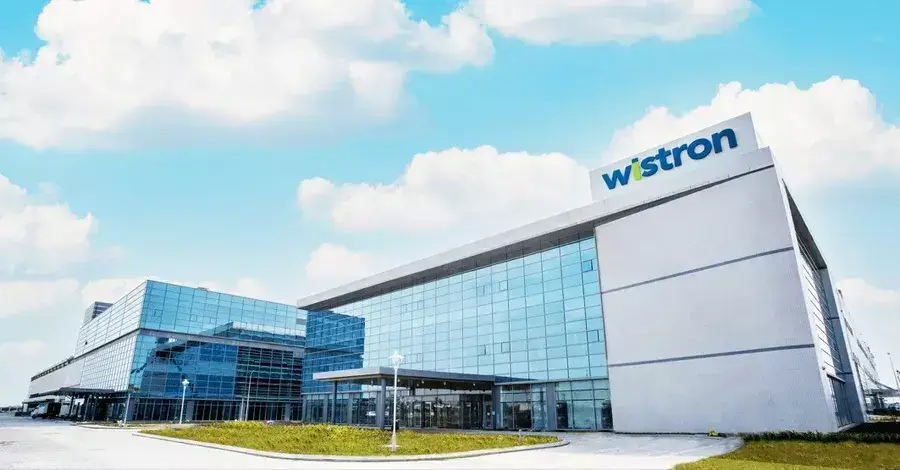
- Taiwanese manufacturers such as Quanta, Wistron, and Inventec focus on customized server design, adjusting heating, storage, and power solutions according to customer needs.
- Open Standards (OCP): Design servers that meet international standards to enhance system compatibility and flexibility.
2. System integration and framework construction
- Kubernetes and Docker: Used to manage containerized AI workloads, enhancing server scalability.
- AI Framework: TensorFlow and PyTorch are commonly used development tools for training deep learning models.
3. Midstream Challenge
- Cooling and Energy Efficiency Management: The high power consumption demands of GPUs require efficient cooling technology support.
- Assembly and testing complex: Integrating diverse components and controlling quality require significant resource investment.
3. Downstream: AI applications and service markets
Downstream mainly targets AI solution needs in vertical industries, including finance, healthcare, and manufacturing.
1. Enterprise application scenarios
- Finance: Leverage AI servers for real-time risk management and fraud detection to enhance transaction security.
- Healthcare: AI analyzes medical imaging data to help doctors make rapid diagnoses.
- Manufacturing and Automation: Self-driving vehicles and smart factory systems use AI servers to perform real-time data analysis to improve operational efficiency.
2. Model training and inference processes
- MLOps: Continuously deploy and monitor models to ensure AI systems are constantly updated and optimized with new data.
- Edge Computing: Deploying AI models on edge devices, such as surveillance cameras or factory robotic arms, enables real-time decision-making.
3. Downstream challenges
- Data Privacy and Security: AI models need to handle large amounts of sensitive data, making data security a top priority.
- Model Update and Management: As business needs evolve, companies must continuously adjust and optimize their AI models.
4. The importance of industry chain collaboration
- Integration of cloud and edge computing: In the future, AI models will rely on both cloud and edge servers to run efficiently and efficiently form computing architectures.
- Green computing and sustainable development: Server manufacturers and data centers are actively promoting low-carbon technologies to reduce energy consumption and carbon emissions.
5. Future Outlook: Development trends of AI servers
- Demand continues to grow: As AI applications expand into more industries, the market demand for AI servers will continue to rise.
- Technological Innovation: Next-generation GPUs and TPUs will further shorten model training times, driving advances in AI technology.
- Standardization and Open Architecture: Open standards like OCP will promote innovation in server design and improve supply chain efficiency.

6. Challenges and future prospects in the AI server industry chain
Upstream: component design and supply
Question:
- Supply chain shortages and instability: For example, chip shortages causing manufacturing delays.
- Technology updates quickly: GPUs/TPUs need to be continuously upgraded to keep up with the growing scale of AI models.
- Energy efficiency optimization challenges: Hardware design must strike a balance between performance and energy consumption.
Future Outlook:
- Quantum computingThis breakthrough could further boost AI computing speed.
- Renewable energy applicationsReducing carbon emissions from data centers.
Midstream: Server manufacturing and system integration
Question:
- Heat dissipation and energy efficiency management:High-performance servers require a lot of power and cooling.
- The production and testing processes are complex: Customization requirements increase design difficulty.
- Challenges in hardware-software integration: Ensure smooth collaboration between different components and frameworks.
Future Outlook:
- Open Standard (OCP) Promote system interoperability and enhance industrial innovation.
- The rising demand for edge computing equipment is driving more lightweight server designs.
Downstream: enterprise applications and market demand
Question:
- Data privacy and security: Handling sensitive data requires compliance with regulations (such as GDPR).
- Model maintenance and updates: Companies need to invest resources in model optimization.
- There is a shortage of talent: Lack of skilled AI and MLOps professionals.
Future Outlook:
- AI platform automation(MLOps) will simplify the model deployment and monitoring process.
- Cloud and edge collaborative computingEnhance enterprise application efficiency.
7. Application scenarios of AI servers in the top ten industries
- Financial industry: Risk control, fraud detection, and high-frequency trading strategies.
- Medical industry: Imaging diagnosis, disease prediction, and genetic analysis.
- Manufacturing industry: predictive maintenance, automated production, and quality inspection.
- Transportation: Optimization of autonomous vehicle systems and logistics.
- Retail: Personalized recommendations, inventory management, and customer analysis.
- Energy industry: Smart grid optimization and energy forecasting models.
- Education industry: Smart Teaching Systems and Individuals

Conclusion: The comprehensive influence and future outlook of the AI server industry chain
The AI server industry chain plays a crucial role in driving the development and application of artificial intelligence technology. From upstream component manufacturing to downstream application deployment, every link in the AI server industry chain is closely interconnected, jointly supporting the vigorous development of AI technology. With the continued growth of market demand, the AI server industry chain will become the core driving force behind the digital transformation across various industries.
Future development forecast of the AI server industry chain
- Market Size Continues to Expand: With the widespread adoption of generative AI and large language models, the overall scale of the AI server industry chain will grow exponentially. It is expected that by 2025, the global AI server market may surpass $300 billion.
- Taiwan's Position in the AI Server Industry Chain Rises: With manufacturing capabilities at every stage of the supply chain, Taiwanese foundries such as Hon Hai, Quanta, and Wistron will further consolidate their key positions in the global AI server supply chain.
- Technological Innovations in the AI Server Industry Chain: Faced with the huge computing power demands of AI models, more innovative cooling technologies and low-power designs will emerge in the industry chain, such as the widespread application of liquid cooling systems and 3D packaging technology.
- The rise of AI-dedicated chips in the industry chain: In addition to GPUs, more cloud service providers and tech giants will invest in developing their own AI chips, bringing new opportunities and challenges to the AI server industry chain.
- Industry chain extends toward edge computing: The AI server industry chain will no longer be limited to large data centers; improvements in AI capabilities in edge computing devices will promote the emergence of more distributed AI application scenarios.
- Green computing becomes a new focus in the industry chain: With the widespread adoption of ESG concepts, low-carbon, high-performance AI server design will become a new industry trend, driving the entire AI server industry chain toward greater sustainability.
Overall, the AI server industry chain is currently in an era of rapid transformation and innovation. With continuous technological advancements and expanding application scenarios, the AI server industry chain will play an increasingly important role in shaping the future smart society. For companies and investors, closely monitoring the development trends of the AI server industry chain will help seize the tremendous opportunities brought by the new wave of technological revolution.
Articles you may be interested in
Clear and Accessible: How AI Semiconductor Technology Drives AI Training
Revolutionary breakthrough: Roblox AI makes 3D scene generation simple
What to take away
The article's value is in the evidence and trade-offs behind mapping the AI Server Supply Chain, not in treating the conclusion as universal.